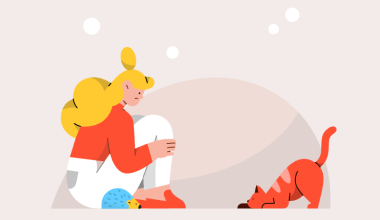
Pet loss grief is always difficult, often unexpected, and can be overwhelming. You’ve not only lost a beloved companion, but the impact adds layers of confusion, disbelief, and, for many, a sense of guilt or helplessness.
Dealing with the initial shock
When a pet dies, the shock is often the first and most intense emotion to process. It can feel surreal, like the loss hasn’t fully sunk in. You might find yourself questioning if it really happened, replaying the last moments in your mind, or feeling numb to the situation.
This sense of shock can delay the emotional processing of grief, as the brain struggles to catch up with the sudden change. It’s important to give yourself time to sit with these feelings.
The shock may fade, but the grief will remain, and it’s crucial to be patient with yourself as you transition into the deeper emotions of loss.
Your veterinary clinic and staff may be able to provide help and resources for you at this time.
Pet loss grief is real
Pet loss grief is real, and don’t let anyone tell you otherwise. When a pet dies, you’re not just losing an animal—you’re losing a companion, a source of comfort, and a piece of your daily life.
The routines, the quiet moments, and the unconditional love all leave a huge gap. That grief is just as valid as any other loss. If someone dismisses it with an “it was just a pet” comment, they’ve clearly never had a soul-crushing stare-off with a companion animal who knows exactly when you need a cuddle.
Grieve as deeply as you need to: love is love, and loss is loss.
Allowing yourself to grieve for your pet
In times like these, it’s common to feel as though there was no time to process or prepare emotionally. This lack of closure can make it harder to grieve in a way that feels complete.
It’s important to give yourself permission to experience your emotions fully—whether it’s anger, sadness, or a sense of disbelief. Don’t push them aside or try to minimize the loss just because it was “a pet.”
The bond between a pet and their owner is deep, and the grief is just as valid as any other loss.
Acknowledge any feelings of guilt
One thing many people mention is a feeling of guilt. You might find yourself thinking, “What if I had done something differently?” or, “Could I have prevented this?”
While this is a natural response, it’s also important to practice self-compassion. You did your best for your pet with the information you had at the time.
Pets rely on us for love and care, and you gave that in abundance.
Create a memorial for your pet
Something that can help in this process is finding a way to memorialise your pet.
This can be helpful, as it provides a sense of closure that may have been missing, and gives an opportunity for you to talk to your pet, share a poem or quote, or tell stories about the memorable times you had together.
Some people create a photo album, plant a tree in their pet’s honour, or hold a small ceremony. Even something as simple as lighting a candle or keeping a favorite toy nearby can provide comfort and a space to reflect on the love shared.
Reflect on the happy times
Focusing on the positive memories you created with your pet can help process your feelings.
Reminisce about the happy times, the companionship, and the unconditional love your pet provided. Think about the ways you made each other’s lives better and the way your pet showed you their love.
Celebrating these moments can bring comfort and reinforce the meaningful impact your pet had on your life.
Self care during pet loss grief
One of the hardest things to do sometimes, is to be kind and patient with yourself. Grieving takes time, and healing from the loss of a pet can bring waves of emotions, long after the initial shock has faded.
It’s okay if you find yourself still processing your thoughts, memories and feelings months or years later. Grief doesn’t follow a timeline and doesn’t have an end date.
Grief can also take a toll on your physical and emotional wellbeing. It’s important to prioritise self-care during this time. Ensure you’re eating well, getting enough sleep, and taking part in activities that bring you comfort. Physical exercise, even something as simple as a daily walk, can help alleviate stress.
Getting the right kind of support for pet loss grief
It’s important to choose the right people to support you during pet loss grief. Not everyone will fully understand the depth of your loss, and they may be unhelpful at this time.
The key is surrounding yourself with people who can offer empathy, patience, and a non-judgmental space for you to express your emotions. Whether it’s close friends, family members, or a support group specifically for pet loss, finding people who allow you to grieve in your own way is really important right now.
Some people may unintentionally minimize your feelings or suggest it’s time to “move on,” but it’s important to protect your emotional space by leaning on those who genuinely listen and validate your grief. Trust your instincts and choose supporters who encourage you to honour your pet and heal at your own pace.
Join us over on the Griefity app where we have a channel just for pet loss grief. It is a supportive space, where you can share your story and learn about coping strategies to get through the difficult times.